










Sarah Bernhardt Dining off a Chair by Alphonse Mucha, 1896
Authentische Kunstwerke
Die von uns gedruckten Kunstwerke werden getreu nach der Originalvorlage restauriert – in der Regel aus einem Museum, einer Bibliothek oder einer privaten Sammlung. Wir ersetzen, zeichnen nicht neu und erfinden das Werk des Künstlers niemals mithilfe generativer KI.
Weihnachtslieferung & Geschenke

Direkt an die beschenkte Person senden
Fügen Sie in Ihrem Warenkorb eine Geschenknachricht hinzu und geben Sie dann an der Kasse die Lieferadresse der Empfängerin oder des Empfängers ein. Wir drucken Ihre Nachricht auf eine Karte. Dem Paket werden keine Preise beigefügt.
Lieferzeit
Die Standardlieferung ist weltweit kostenlos und dauert in der Regel etwa 3 Werktage. Sie senden ein Geschenk ins Ausland? Wir fertigen die meisten Bestellungen vor Ort, im Land der Empfängerin oder des Empfängers.
Bitte planen Sie bei personalisierten Bestellungen zusätzliche Zeit für Gestaltung und Druckfreigabe ein. Lieferdetails ansehen.
Rücksendungen: Standardbestellungen können innerhalb von 90 Tagen nach Lieferung zurückgegeben oder umgetauscht werden. Personalisierte und individuell angefertigte Stücke sind in der Regel von Rückgaben bei Nichtgefallen ausgeschlossen. Unsere Rückgaberichtlinie ansehen.
Black Friday Sale
Wählen Sie einen Artikel und erhalten Sie 20 % Rabatt.
Wählen Sie zwei Werke und erhalten Sie 30 % Rabatt auf beide. Sie können Karten und Kunstwerke beliebig kombinieren.
Es ist kein Code erforderlich. Das Angebot wird automatisch angewendet.
Vollständige Geschäftsbedingungen
Das Angebot für Sammler gilt für berechtigte Werke in Standardkonfigurationen auf Bestellung. Maßanfertigungen, personalisierte Designs und Auftragsarbeiten sind ausgeschlossen. Produkte mit „personalised“ oder „custom“ im Namen sind in der Regel ausgeschlossen.
Das Angebot wird als zwei separate automatische Rabatte verwaltet: einer für kleinere Formate und einer für größere Formate. Um sich zu qualifizieren, müssen Sie zwei berechtigte Werke innerhalb derselben Formatgruppe erwerben. Karten und Kunstdrucke können innerhalb jeder Gruppe beliebig kombiniert werden.
Beispielsweise qualifizieren sich zwei berechtigte Drucke im Format A4 oder 8 × 10 Zoll für 30 % Rabatt auf beide. Ein Druck in kleinerem Format und ein Werk in größerem Format qualifizieren sich nicht gemeinsam, da Artikel aus unterschiedlichen Formatgruppen nicht kombiniert werden können, um die Voraussetzung von zwei Artikeln zu erfüllen.
Es ist kein Rabattcode erforderlich. Jeder berechtigte Rabatt wird automatisch in Ihrem Warenkorb und an der Kasse angewendet.
Christmas schedule filling up. Order early.
Christmas orders & our workshop schedule
Our Christmas schedule is filling up, particularly for personalised maps and bespoke pieces. Ordering early allows time to prepare your artwork, complete any design approvals, and arrange printing and framing.
If your order requires a design preview, we’ll ask for your approval before printing. A prompt reply helps us keep your order moving through the workshop.
For standard maps and art prints, check the delivery estimate shown on the page. Larger framed orders travel more slowly through the logistics networks. Personalised and bespoke orders need time for design and approval.
Planning something more involved, or working to a particular deadline? Contact the workshop before ordering and we’ll help you check what’s possible.
Größe wählen
Ausführung wählen


(Mehr Infos)
Geschenkmitteilung & individuelle Ausführung

Wenn Sie eine Geschenkmitteilung oder eine Ausführung (Puzzle, Aluminiumplatte usw.) hinzufügen möchten, die hier nicht verfügbar ist, geben Sie dies bitte in der "Bestellnotiz" beim Checkout an.
Jede Bestellung wird individuell angefertigt. Wenn Sie die Größe leicht anpassen oder auf einem ungewöhnlichen Material drucken lassen möchten, lassen Sie es uns einfach wissen. Wir haben im Laufe der Jahre Tausende von individuellen Bestellungen bearbeitet, daher gibt es (fast) nichts, was wir nicht bewältigen können.
Sie können uns auch kontaktieren, bevor Sie bestellen, wenn Sie möchten!
- Lokal gefertigt. Sicher geliefert
- Kommt einwandfrei an – oder wir ersetzen es
-
Weihnachtslieferung & Geschenke Weihnachtslieferung & Geschenke
![Ein Beispiel der gedruckten Geschenknachrichtenkarte in voller Größe anzeigen]()
Direkt an die beschenkte Person senden
Fügen Sie in Ihrem Warenkorb eine Geschenknachricht hinzu und geben Sie dann an der Kasse die Lieferadresse der Empfängerin oder des Empfängers ein. Wir drucken Ihre Nachricht auf eine Karte. Dem Paket werden keine Preise beigefügt.
Lieferzeit
Die Standardlieferung ist weltweit kostenlos und dauert in der Regel etwa 3 Werktage. Sie senden ein Geschenk ins Ausland? Wir fertigen die meisten Bestellungen vor Ort, im Land der Empfängerin oder des Empfängers.
Bitte planen Sie bei personalisierten Bestellungen zusätzliche Zeit für Gestaltung und Druckfreigabe ein. Lieferdetails ansehen.
Rücksendungen: Standardbestellungen können innerhalb von 90 Tagen nach Lieferung zurückgegeben oder umgetauscht werden. Personalisierte und individuell angefertigte Stücke sind in der Regel von Rückgaben bei Nichtgefallen ausgeschlossen. Unsere Rückgaberichtlinie ansehen.
- Hilfe bei der Bestellung?
Das sagen unsere Kunden
Mehr als 8.000 Fünf-Sterne-Bewertungen aus aller Welt


Alphonse Mucha’s Sarah Bernhardt dining off a chair, created in 1896, catches the celebrated French actress in an unusually informal interlude. Seated...
WeiterlesenAlphonse Mucha’s Sarah Bernhardt dining off a chair, created in 1896, catches the celebrated French actress in an unusually informal interlude. Seated and leaning towards the plate in her hand, Bernhardt appears absorbed in the practical business of eating, yet her elaborate dress and poised profile retain something unmistakably theatrical. Mucha renders the episode in pen and ink, setting finely articulated contours against a dense dark field. The result is at once candid and composed: a private moment shaped by the eye of an artist renowned for turning the human figure into elegant graphic design.
By 1896, Mucha’s association with Bernhardt had become central to his career. Their collaboration began with his celebrated poster for her production of Gismonda, whose elongated format, ornamental detail and commanding presentation of the actress helped establish his reputation in Paris. He went on to create posters and other theatrical designs for Bernhardt, contributing to the carefully fashioned public image of one of the Belle Époque’s most recognisable performers. This drawing offers a striking counterpoint to those grand public likenesses. Rather than presenting Bernhardt as a remote dramatic heroine, it records her at close quarters, while still acknowledging the charisma that made even an everyday action appear like a scene.
A closer look
The composition is vertical and compact, with Bernhardt occupying most of the available space. Her pale face, hands and plate emerge sharply from the surrounding black, directing attention towards a small sequence of gestures: the inclination of her head, the bend of her arm and the careful support of the dish. These diagonals keep the seated pose from becoming static. Although the setting is only selectively described, the chair and nearby objects establish enough domestic context to make the scene legible without distracting from the figure.
Mucha’s line changes character across the drawing. Around Bernhardt’s face and hands it is economical and controlled; in her hair and clothing it becomes more abundant, building volume through clustered strokes, folds and patterned details. The ornate collar is particularly intricate, preserving the actress’s visual splendour even in this relaxed setting. At the upper left, a segmented circular form—apparently a mirror—introduces a contrasting geometry, while a small stack of plates or boxes at the lower right adds a modest note of clutter. Such details prevent the dark ground from reading merely as empty shadow: it becomes an active frame, pressing closely around the sitter.
The drawing’s restricted black, white and grey palette places unusual emphasis on rhythm. Broad areas of ink provide graphic weight, while narrow white passages describe the figure’s profile and costume. Mucha’s stylised signature at the lower left becomes part of this linear orchestration, its curves echoing the fluid marks elsewhere. Without the coloured ornament familiar from many of his posters, the underlying assurance of his draughtsmanship is especially clear.
Context and significance
Bernhardt was not simply Mucha’s model but a major force in late nineteenth-century theatrical culture, celebrated for both her performances and her formidable public persona. Posters played an increasingly visible role in the streets of fin-de-siècle Paris, where theatre, advertising and artistic experimentation met. Mucha’s work for the actress helped define the sinuous contours, decorative patterning and close integration of figure and graphic structure associated with Art Nouveau.
Sarah Bernhardt dining off a chair approaches that celebrated partnership from a less familiar angle. Its appeal lies in the tension between informality and performance: Bernhardt is caught eating, yet the dark framing, elaborate costume and eloquent silhouette ensure that she never quite ceases to command the scene.
Choosing the right size and finish
Artwork can feel intimate at smaller sizes and dramatically more architectural at larger ones. Use the room preview, model image and size guide to see how the proportions and scale will work in your space.
If you need an exact size, specialist framing or help planning a larger display, ask our workshop for advice.
The model in the listing images is holding the 18x24in (45x60cm) version of this art print.
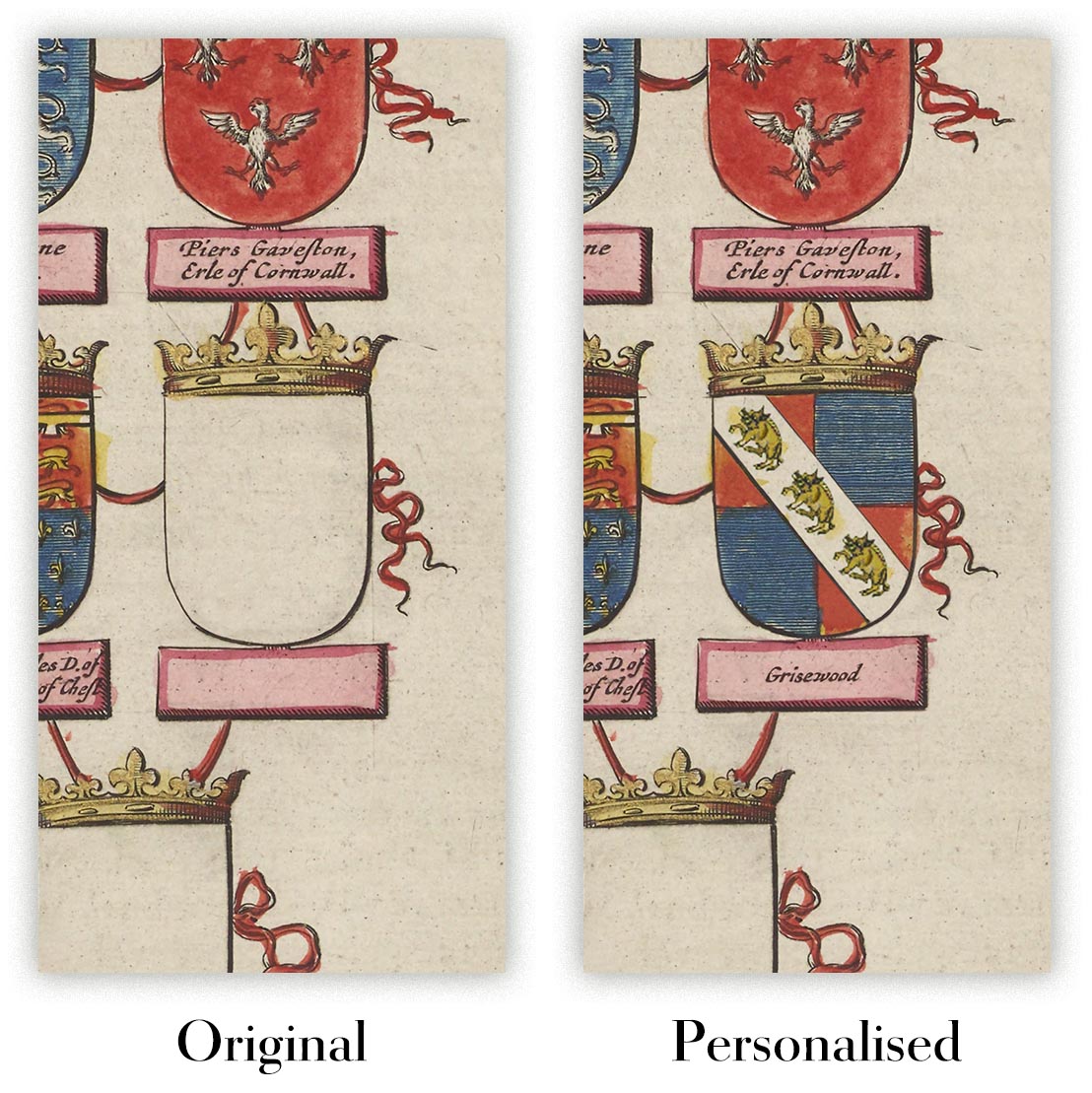
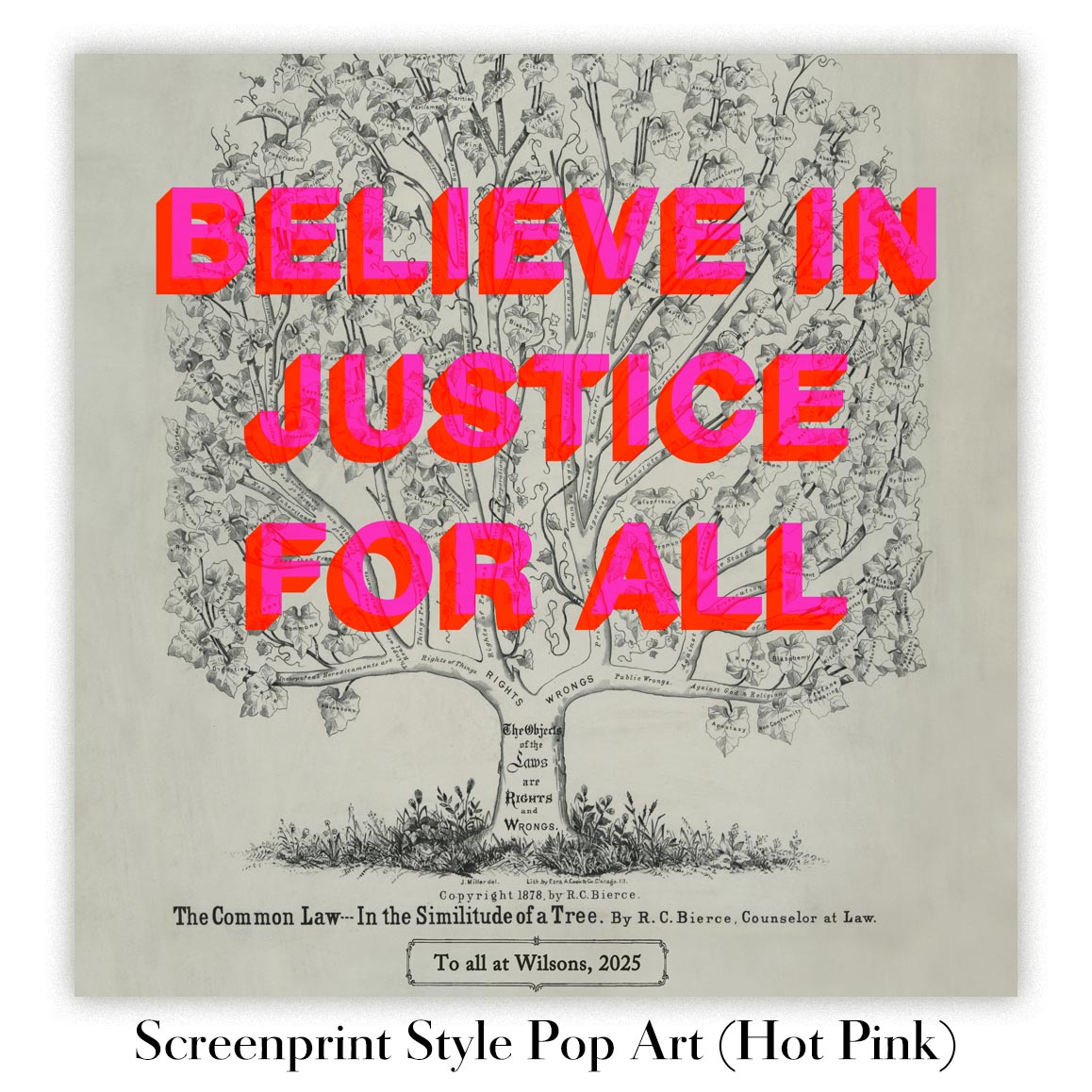
Where personalisation is available, you can add a short title or dedication, or one considered visual detail. See examples of personalised artwork.
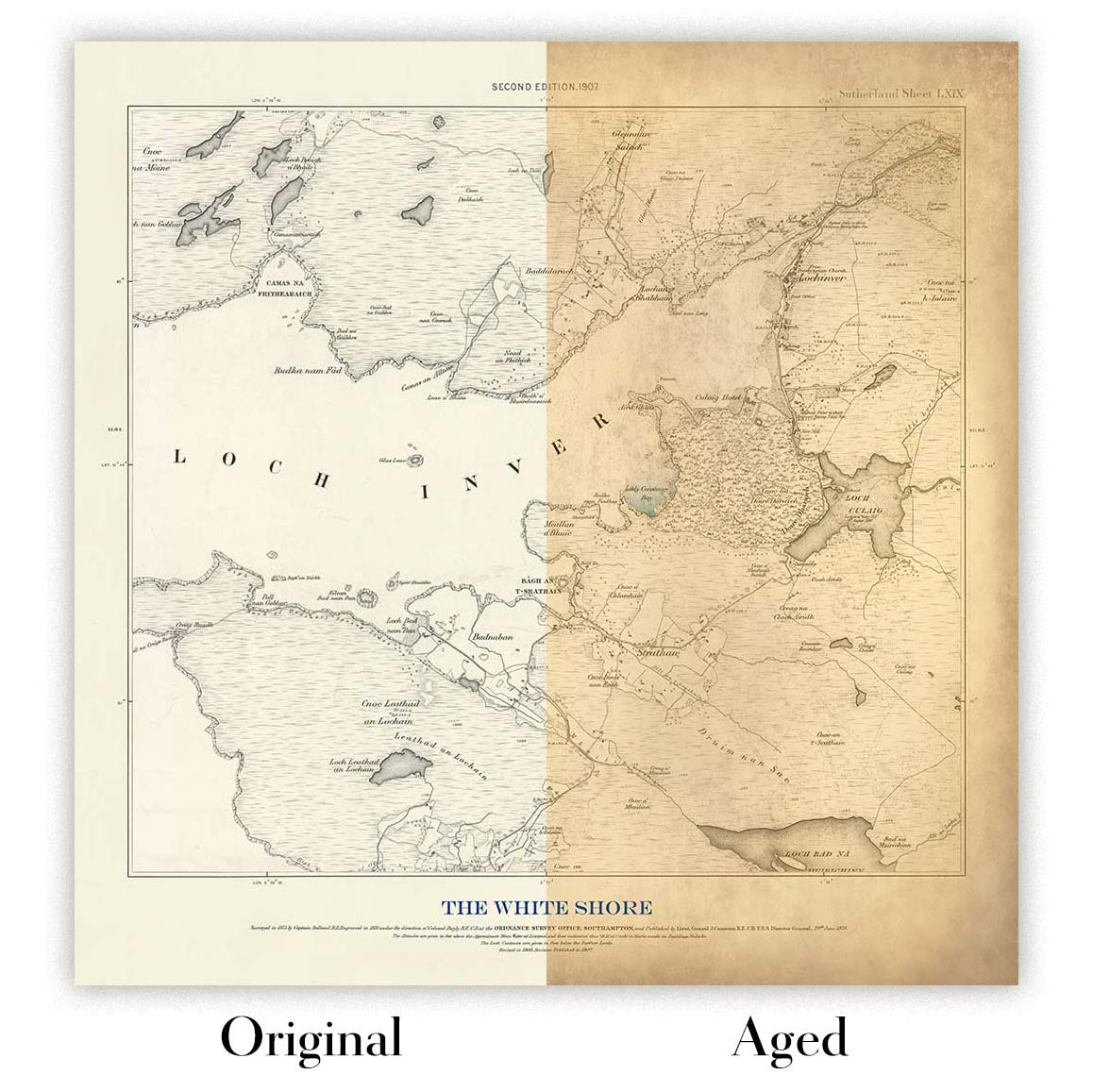
Choose Original to retain the colour and character of the source artwork, or Aged for a warmer, more antique appearance. See examples of our Aged artwork.
Every piece is produced to archival standards using fade-resistant pigment inks on acid-free matte art paper. Choose an art print, framed art print or framed canvas using the finish options above.
Framed art prints use crystal-clear optical acrylic for excellent clarity, lower weight and safer delivery than glass. Each piece arrives professionally framed and ready to hang.
Selected artworks can be produced at statement sizes up to 3 metres (10ft). Custom sizing and specialist framing are also available. If the exact option you need is not listed, contact our workshop.
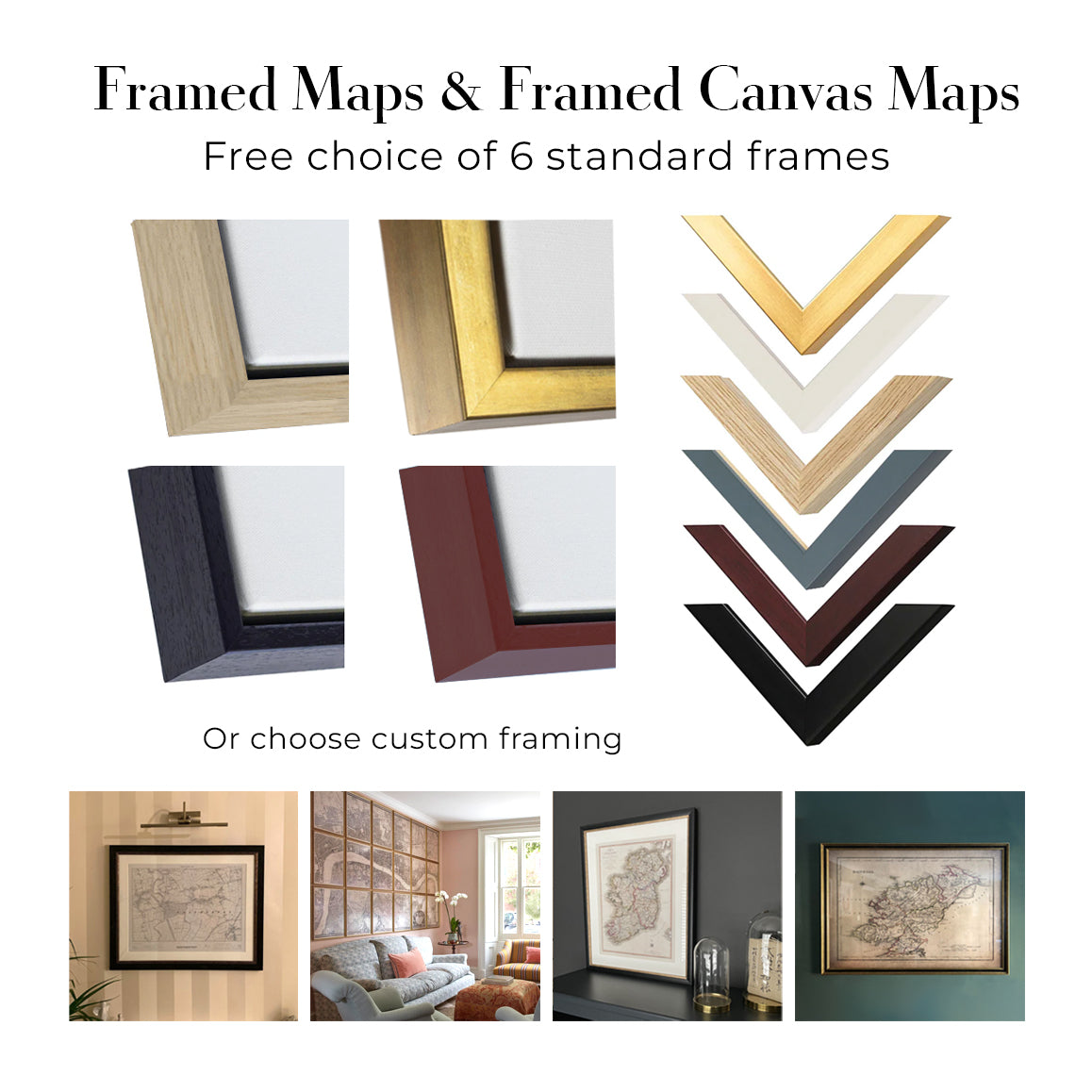
This artwork is also available as a float framed canvas, sometimes known as a shadow gap framed canvas or canvas floater. The work is printed on artist's cotton canvas and then stretched over a handmade box frame. We then "float" the canvas inside a wooden frame, which is available in a range of colours (black, dark brown, oak, antique gold and white). This is a wonderful way to present an art print without glazing in front. See some examples of float framed canvas art and explore the differences between my different finishes.
Alphonse Mucha’s Sarah Bernhardt dining off a chair, created in 1896, catches the celebrated French actress in an unusually informal interlude. Seated and leaning towards the plate in her hand, Bernhardt appears absorbed in the practical business of eating, yet her elaborate dress and poised profile retain something unmistakably theatrical. Mucha renders the episode in pen and ink, setting finely articulated contours against a dense dark field. The result is at once candid and composed: a private moment shaped by the eye of an artist renowned for turning the human figure into elegant graphic design.
By 1896, Mucha’s association with Bernhardt had become central to his career. Their collaboration began with his celebrated poster for her production of Gismonda, whose elongated format, ornamental detail and commanding presentation of the actress helped establish his reputation in Paris. He went on to create posters and other theatrical designs for Bernhardt, contributing to the carefully fashioned public image of one of the Belle Époque’s most recognisable performers. This drawing offers a striking counterpoint to those grand public likenesses. Rather than presenting Bernhardt as a remote dramatic heroine, it records her at close quarters, while still acknowledging the charisma that made even an everyday action appear like a scene.
A closer look
The composition is vertical and compact, with Bernhardt occupying most of the available space. Her pale face, hands and plate emerge sharply from the surrounding black, directing attention towards a small sequence of gestures: the inclination of her head, the bend of her arm and the careful support of the dish. These diagonals keep the seated pose from becoming static. Although the setting is only selectively described, the chair and nearby objects establish enough domestic context to make the scene legible without distracting from the figure.
Mucha’s line changes character across the drawing. Around Bernhardt’s face and hands it is economical and controlled; in her hair and clothing it becomes more abundant, building volume through clustered strokes, folds and patterned details. The ornate collar is particularly intricate, preserving the actress’s visual splendour even in this relaxed setting. At the upper left, a segmented circular form—apparently a mirror—introduces a contrasting geometry, while a small stack of plates or boxes at the lower right adds a modest note of clutter. Such details prevent the dark ground from reading merely as empty shadow: it becomes an active frame, pressing closely around the sitter.
The drawing’s restricted black, white and grey palette places unusual emphasis on rhythm. Broad areas of ink provide graphic weight, while narrow white passages describe the figure’s profile and costume. Mucha’s stylised signature at the lower left becomes part of this linear orchestration, its curves echoing the fluid marks elsewhere. Without the coloured ornament familiar from many of his posters, the underlying assurance of his draughtsmanship is especially clear.
Context and significance
Bernhardt was not simply Mucha’s model but a major force in late nineteenth-century theatrical culture, celebrated for both her performances and her formidable public persona. Posters played an increasingly visible role in the streets of fin-de-siècle Paris, where theatre, advertising and artistic experimentation met. Mucha’s work for the actress helped define the sinuous contours, decorative patterning and close integration of figure and graphic structure associated with Art Nouveau.
Sarah Bernhardt dining off a chair approaches that celebrated partnership from a less familiar angle. Its appeal lies in the tension between informality and performance: Bernhardt is caught eating, yet the dark framing, elaborate costume and eloquent silhouette ensure that she never quite ceases to command the scene.
Choosing the right size and finish
Artwork can feel intimate at smaller sizes and dramatically more architectural at larger ones. Use the room preview, model image and size guide to see how the proportions and scale will work in your space.
If you need an exact size, specialist framing or help planning a larger display, ask our workshop for advice.
The model in the listing images is holding the 18x24in (45x60cm) version of this art print.
Where personalisation is available, you can add a short title or dedication, or one considered visual detail. See examples of personalised artwork.
Choose Original to retain the colour and character of the source artwork, or Aged for a warmer, more antique appearance. See examples of our Aged artwork.
Every piece is produced to archival standards using fade-resistant pigment inks on acid-free matte art paper. Choose an art print, framed art print or framed canvas using the finish options above.
Framed art prints use crystal-clear optical acrylic for excellent clarity, lower weight and safer delivery than glass. Each piece arrives professionally framed and ready to hang.
Selected artworks can be produced at statement sizes up to 3 metres (10ft). Custom sizing and specialist framing are also available. If the exact option you need is not listed, contact our workshop.
This artwork is also available as a float framed canvas, sometimes known as a shadow gap framed canvas or canvas floater. The work is printed on artist's cotton canvas and then stretched over a handmade box frame. We then "float" the canvas inside a wooden frame, which is available in a range of colours (black, dark brown, oak, antique gold and white). This is a wonderful way to present an art print without glazing in front. See some examples of float framed canvas art and explore the differences between my different finishes.
Viele unserer Karten und Kunstdrucke werden als stilvolle Geschenke für Wohnungen, Büros, Arbeitszimmer und bedeutungsvolle Orte ausgewählt.
Wählen Sie eine gerahmte Option für das einfachste, fertig zum Aufhängen vorbereitete Geschenk, oder entscheiden Sie sich für einen ungerahmten Druck, wenn die beschenkte Person möglicherweise lieber ihren eigenen Rahmen auswählen möchte.
Wir fertigen Bestellungen lokal in 24 Ländern weltweit, sodass Geschenke oft in der Nähe der empfangenden Person produziert werden können. Das hilft, dass sie schneller ankommen, sicherer transportiert werden und keine Überraschungen durch Zoll- oder Einfuhrgebühren entstehen.
- Wir können direkt an die empfangende Person liefern. Es werden keine Preisinformationen beigelegt.
- Ihrer Bestellung kann eine Geschenknachricht hinzugefügt werden. Wir drucken sie auf eine schöne Karte.
- Gerahmte Stücke werden fertig zum Aufhängen geliefert
- Ungerahmte Drucke werden sorgfältig in einer stabilen Schutztube verpackt
- Nahezu jede Bestellung wird lokal gefertigt – für schnelleres und sichereres Schenken
- 90 Tage Rückgaberecht geben der empfangenden Person Zeit zur Entscheidung
Wenn Sie nicht sicher sind, was Sie wählen sollen, kontaktieren Sie uns bitte. Wir helfen Ihnen gerne dabei, die richtige Karte, Größe, Ausführung oder Lieferoption auszuwählen.
Für die meisten Bestellungen beträgt die Lieferzeit etwa 3 Werktage. Personalisierte und maßgeschneiderte Produkte benötigen länger, da ich die Personalisierung durchführen und sie Ihnen zur Genehmigung zusenden muss, was normalerweise 1 oder 2 Tage dauert.
Bitte beachten Sie, dass sehr große gerahmte Bestellungen in der Regel länger für die Herstellung und Lieferung benötigen.
Wenn Sie möchten, dass Ihre Bestellung bis zu einem bestimmten Datum ankommt, bitte kontaktieren Sie mich, bevor Sie bestellen, damit wir den besten Weg finden können, um sicherzustellen, dass Sie Ihre Bestellung rechtzeitig erhalten.
Ich drucke und rahme Karten und Kunstwerke in 23 Ländern weltweit. Das bedeutet, dass Ihre Bestellung lokal gefertigt wird, was die Lieferzeit verkürzt und sicherstellt, dass sie während der Lieferung nicht beschädigt wird. Sie zahlen nie Zoll oder Einfuhrgebühren, und wir stoßen weniger CO2 in die Luft aus.
Alle meine Karten und Kunstdrucke sind gut verpackt und werden in einem robusten Rohr versendet, wenn sie ungerahmt sind, oder von Schaum umgeben, wenn sie gerahmt sind.
Ich versuche, alle Bestellungen innerhalb von 1 oder 2 Tagen nach Erhalt Ihrer Bestellung zu versenden, obwohl einige Produkte (wie Gesichtsmasken, Tassen und Tragetaschen) länger zur Herstellung benötigen können.
Wenn Sie Express-Lieferung an der Kasse auswählen, priorisieren wir Ihre Bestellung und versenden sie per 1-Tages-Kurier (Fedex, DHL, UPS, Parcelforce).
Nächster Tag Lieferung ist auch in einigen Ländern verfügbar (USA, UK, Singapur, VAE), aber bitte versuchen Sie, früh am Tag zu bestellen, damit wir es rechtzeitig versenden können.
Lesen Sie meinen vollständigen Leitfaden zur Lieferung und lokalen Produktion
Mein Standardrahmen ist ein Galerie-Stil-Rahmen aus schwarzem Eschenholz. Er ist einfach und sieht ziemlich modern aus. Mein Standardrahmen ist etwa 20 mm (0,8 Zoll) breit.
Ich verwende super-klares Acryl (Plexiglas/Acrylt) für das Glas des Rahmens. Es ist leichter und sicherer als Glas – und es sieht besser aus, da die Reflexion geringer ist.
Sechs Standardrahmenfarben sind kostenlos erhältlich (schwarz, dunkelbraun, dunkelgrau, Eiche, weiß und antikgold).
Die meisten Karten, Kunstwerke und Illustrationen sind auch als gerahmte Leinwand erhältlich. Wir verwenden matte (nicht glänzende) Baumwollleinwand, spannen sie über einen nachhaltig beschafften Buchenrahmen und 'schweben' dann das Stück innerhalb eines Holzrahmens. Das Endergebnis ist ziemlich schön, und es gibt keine Verglasung, die im Weg ist.
Alle Rahmen werden "bereit zum Aufhängen" geliefert, entweder mit einer Schnur oder Halterungen auf der Rückseite. Sehr große Rahmen haben schwere Aufhängeplatten und/oder eine Montageschiene. Wenn Sie Fragen haben, können Sie bitte Kontakt aufnehmen.
Sehen Sie sich einige Beispiele meiner gerahmten Karten und gerahmten Leinwandkarten an.
Alternativ kann ich auch alte Karten und Kunstwerke auf Leinwand, Schaumstoffplatten, Baumwollrag und andere Materialien liefern.
Wenn Sie Ihre Karte oder Ihr Kunstwerk selbst rahmen möchten, lesen Sie bitte zuerst meinen Größenleitfaden.
Wir arbeiten mit Innenarchitekten, Unternehmen aus dem Gastgewerbe, Immobilienfachleuten, Büros und Firmenkunden an Einzelstücken sowie an größeren, abgestimmten Projekten.
Dieses Kunstwerk kann an eine bestimmte Wand, einen Raum oder ein Projekt angepasst werden, und unsere Werkstatt unterstützt Sie dabei, Maße, Material und Rahmung vor der Produktion abzustimmen.
- Exakte, übergroße und maßgefertigte Abmessungen
- Individuelle Rahmung, Kaschierung und alternative Materialien
- Abgestimmte Werke für mehrere Räume oder Standorte
- Personalisierung des Kunstwerks zur Anpassung von Farbe und Stil
- Beratung zu Kunstwerk und Rahmung durch unsere Werkstatt
- Lokale Produktion für Projekte weltweit
Besprechen Sie dieses Werk mit unserem Trade & Projects Team
Jeder restaurierte Kunstdruck beginnt mit dem Originalwerk des Künstlers – niemals mit einem KI-generierten Ersatz.
Unser Londoner Studio arbeitet mit sorgfältig ausgewähltem Ausgangsmaterial aus Museen, Bibliotheken, Archiven und privaten Sammlungen. Wir restaurieren altersbedingte Schäden, verblasste Farben und unvollkommene Reproduktionen, während wir die Komposition, den Pinselstrich, die Linienführung, die Textur und den zeittypischen Charakter des Künstlers bewahren.
Wir verwenden keine generative KI, um das Kunstwerk neu zu zeichnen, neu zu interpretieren oder zu erfinden. Digitale Restaurierung dient ausschließlich dazu, das Originalwerk so originalgetreu wie möglich wiederherzustellen und zu reproduzieren.
Sobald die Restaurierung abgeschlossen ist, wird das Masterkunstwerk für die von Ihnen gewählte Größe und Ausführung vorbereitet. Anschließend wird Ihr Stück gedruckt und, sofern ausgewählt, in der Nähe des Lieferorts gerahmt.
Unsere Giclée-Kunstdrucke verwenden säurefreies 200-g/m²-Archiv-Mattpapier und lichtechte Pigmenttinten für ein reichhaltiges Finish in Museumsqualität. Gerahmte Kunstdrucke verwenden kristallklares optisches Acryl und werden hängefertig geliefert.
Gerahmte Leinwand und Sonderausgaben auf Baumwoll-Künstlerpapier sind ebenfalls erhältlich. Erfahren Sie mehr über unsere Materialien und Ausführungen.
Seit 1984 restaurieren und fertigen wir Karten und Kunstdrucke an, und wir stehen hinter jedem einzelnen Stück.
Jede Bestellung ist durch unsere 10-Jahres-Garantie und unsere Garantie für beschädigungsfreie Lieferung abgesichert. Sollte Ihr Stück beschädigt bei Ihnen ankommen, ersetzen oder reproduzieren wir es kostenlos. Sollte sonst etwas nicht in Ordnung sein, kontaktieren Sie unser Werkstatt-Team, und wir kümmern uns umgehend darum.
Ausführliche Informationen finden Sie in unseren Rückgabe- und Erstattungsrichtlinien.


