










King Přemysl Otakar II of Bohemia by Alphonse Mucha, 1924
Authentic artwork
The artwork we print is faithfully restored from the original source - usually a museum, auction house or private collection.
We never replace, redraw or invent the artist’s work using generative AI.
Restored in our London workshop from the original 1924 artwork and printed to museum-grade archival standards. Full description
The Collector’s Offer
Choose two eligible works and receive 20% off both. Choose three and the lowest-priced one is complimentary, a maximum saving of 33%.
Mix and match eligible standard maps and fine-art prints. No code is required; the offer is applied automatically at checkout.
Standard made-to-order configurations are included. Bespoke sizes, personalised designs and commissioned work are excluded.
Need delivery to different addresses? Contact us before ordering.The Collector’s Offer
Choose two eligible works and receive 20% off both. Choose three and the lowest-priced one is complimentary, a maximum saving of 33%.
Mix and match eligible standard maps and fine-art prints. No code is required; the offer is applied automatically at checkout.
Standard made-to-order configurations are included. Bespoke sizes, personalised designs and commissioned work are excluded.
Need delivery to different addresses? Contact us before ordering.
Authentic artwork
The artwork we print is faithfully restored from the original source - usually a museum, auction house or private collection.
We never replace, redraw or invent the artist’s work using generative AI.
Restored from the original 1924 artwork and printed to museum-grade archival standards. Full description
Choose your size
Choose your finish


(More info)
Gift message & custom finish

If you want to add a gift message, or a finish (jigsaw, aluminium board, etc.) that is not available here, please request it in the "order note" when you check out.
Every order is custom made, so if you need the size adjusted slightly, or printed on an unusual material, just let us know. We've done thousands of custom orders over the years, so there's (almost) nothing we can't manage.
You can also contact us before you order, if you prefer!
Chosen by collectors, designers and gift buyers
8,000+ five-star reviews


Alphonse Mucha’s King Premsyl Otaker II of Bohemia, created in 1924, stages royal power as an elaborate act of ceremony. Přemysl Otakar...
Continue readingAlphonse Mucha’s King Premsyl Otaker II of Bohemia, created in 1924, stages royal power as an elaborate act of ceremony. Přemysl Otakar II occupies the central foreground in richly ornamented robes, extending one hand towards another figure while a broad assembly gathers around him. Warm gold, deep red and earthen brown dominate the panoramic composition, relieved by passages of cream, green and blue. Rather than isolating the monarch as a formal portrait, Mucha places him within a crowded world of courtiers, textiles, banners and ceremonial objects.
The work belongs to Mucha’s late cycle devoted to defining figures and episodes in Czech history. Although he remains best known for the sinuously drawn posters and decorative designs associated with Art Nouveau, his later years were increasingly occupied by ambitious historical subjects and ideas of national memory. Přemysl Otakar II, a powerful thirteenth-century Přemyslid ruler known as both the “Golden King” and the “Iron King”, offered a subject through which Mucha could address dynastic authority and Bohemia’s position within medieval Central Europe. Here, political strength is expressed not through the immediate drama of battle, but through diplomacy, pageantry and the visible reach of a court.
A closer look
The king forms the compositional hinge. His extended arm directs attention across the gathering, turning a formal encounter into the narrative centre of the scene. The intricate embroidery of his robe distinguishes him from the darker garments nearby, while the soft, warm light catches metallic and pale details without breaking the composition into harsh contrasts. Faces and hands emerge from the surrounding richness with a gentler, more painterly treatment, giving the assembly a sense of human variety rather than reducing it to an anonymous mass.
At the upper left, a decorated arch rises behind the figures, its mural-like imagery and patterned surfaces enlarging the event beyond the immediate court. Drapery and layered textiles frame this architecture, while a table in the lower left is crowded with finely worked objects and cloth. Glints of silver and gold, small ornamental motifs and changes of texture reward closer attention. These details function as more than embellishment: together they establish the material language of rank, wealth and ceremony.
Towards the lower right, brightly dressed women appear absorbed in conversation, providing a quieter counterpoint to the king’s central gesture. Behind them and further into the scene, additional figures and raised banners extend the gathering into depth. Mucha constructs space through accumulation: prominent bodies in the foreground give way to a densely occupied background, so that the court seems to continue beyond the principal exchange. The architecture, fabric and human presence are tightly interwoven, producing a surface that feels both monumental and decorative.
Context and significance
This historical mode reveals a different aspect of Mucha’s art from the elegant commercial imagery for which he became internationally recognised. His characteristic interest in flowing contour, patterned surfaces and carefully orchestrated groups remains evident, but it is redirected towards a large civic narrative. Decorative richness is not separate from the history being told; it is one of the principal means by which the ruler’s authority and the splendour of his alliances are made visible.
The result is less a private likeness of Přemysl Otakar II than a panoramic vision of kingship. The monarch is unmistakably central, yet his power is defined through relationships—with envoys, courtiers, architecture, regalia and the wider assembly. That balance between individual presence and collective spectacle gives Mucha’s 1924 composition its distinctive character: a medieval court imagined through the sumptuous visual language of an artist deeply engaged with Czech history and national remembrance.
Choosing the right size and finish
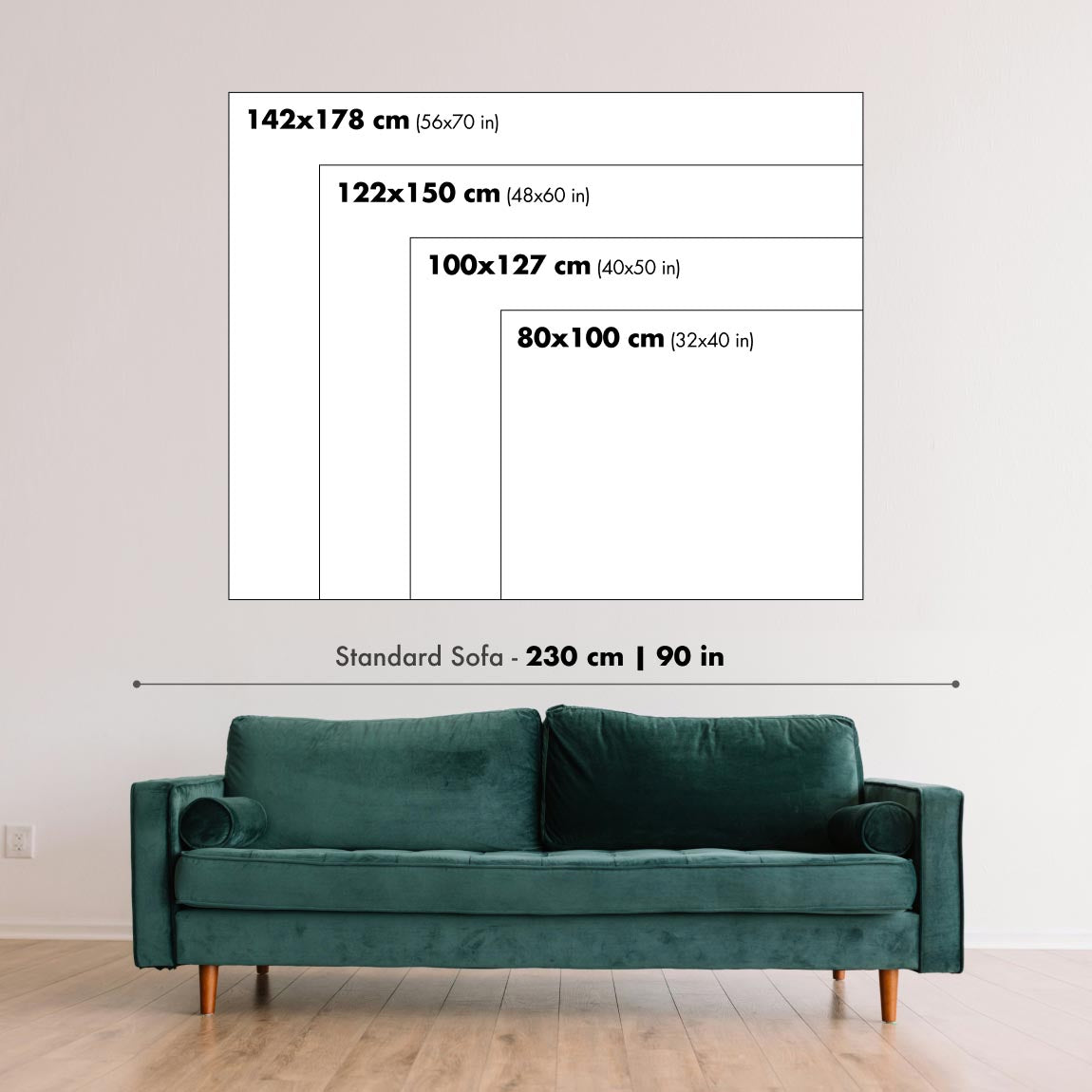
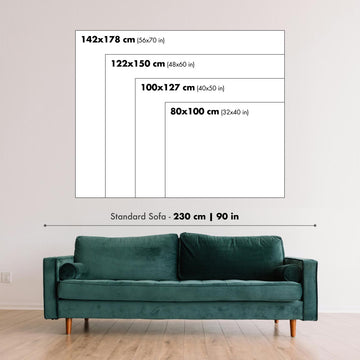
Artwork can feel intimate at smaller sizes and dramatically more architectural at larger ones. Use the room preview, model image and size guide to see how the proportions and scale will work in your space.
If you need an exact size, specialist framing or help planning a larger display, ask our workshop for advice.
The model in the listing images is holding the 16x16in (40x40cm) version of this art print.
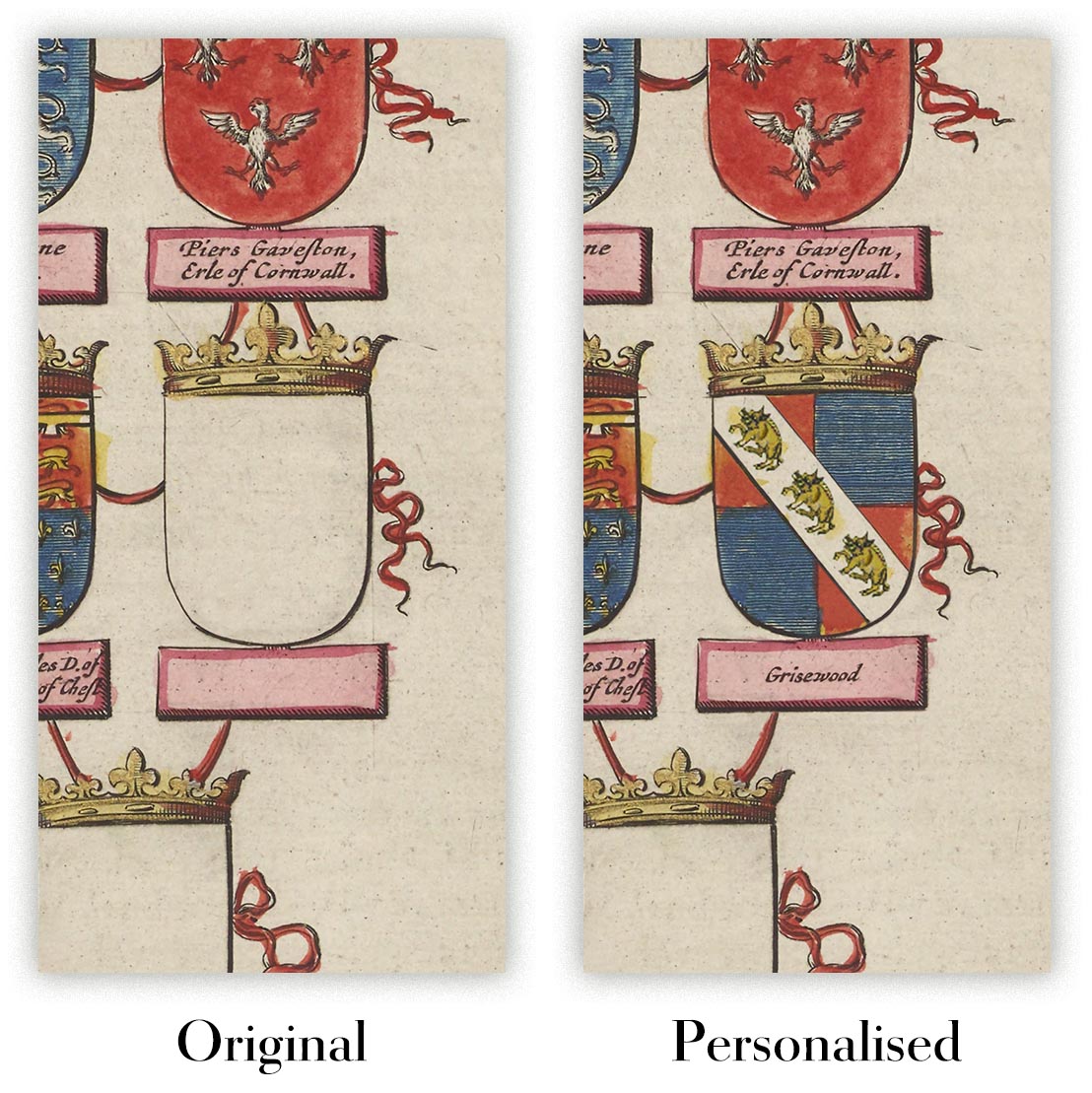
Where personalisation is available, you can add a short title or dedication, or one considered visual detail. See examples of personalised artwork.
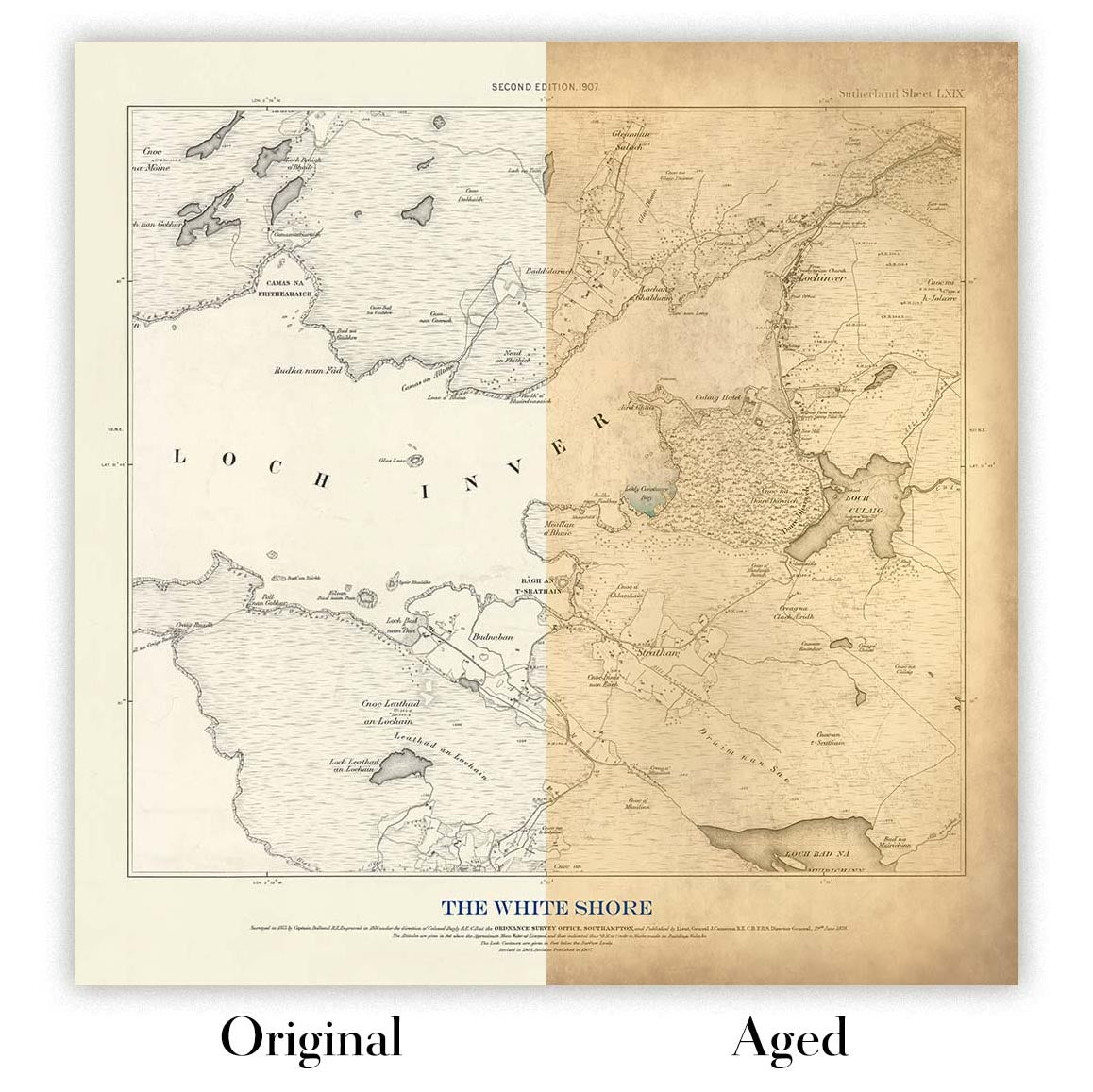
Choose Original to retain the colour and character of the source artwork, or Aged for a warmer, more antique appearance. See examples of our Aged artwork.
Every piece is produced to archival standards using fade-resistant pigment inks on acid-free matte art paper. Choose an art print, framed art print or framed canvas using the finish options above.
Framed art prints use crystal-clear optical acrylic for excellent clarity, lower weight and safer delivery than glass. Each piece arrives professionally framed and ready to hang.
Selected artworks can be produced at statement sizes up to 3 metres (10ft). Custom sizing and specialist framing are also available. If the exact option you need is not listed, contact our workshop.
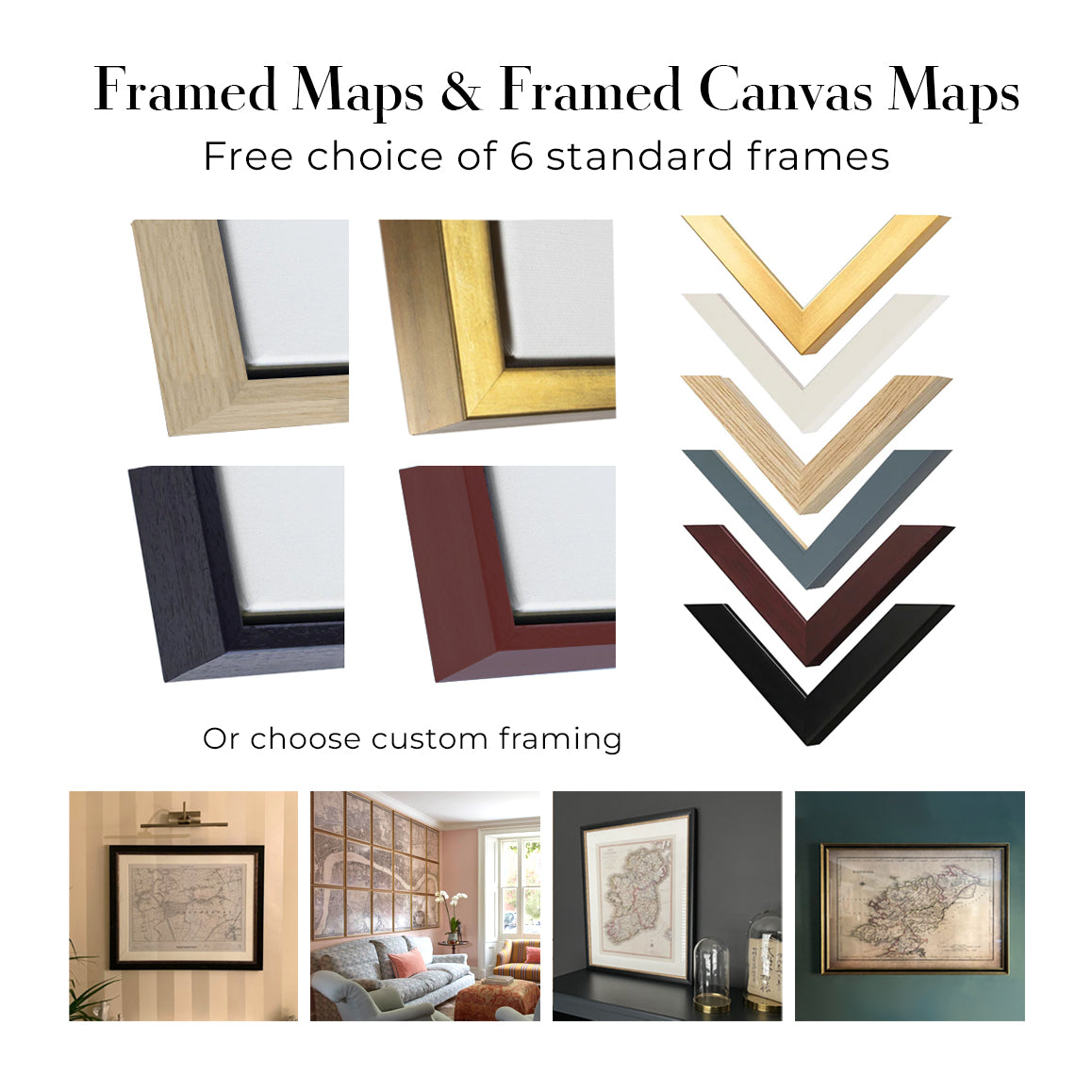
This artwork is also available as a float framed canvas, sometimes known as a shadow gap framed canvas or canvas floater. The work is printed on artist's cotton canvas and then stretched over a handmade box frame. We then "float" the canvas inside a wooden frame, which is available in a range of colours (black, dark brown, oak, antique gold and white). This is a wonderful way to present an art print without glazing in front. See some examples of float framed canvas art and explore the differences between my different finishes.
Alphonse Mucha’s King Premsyl Otaker II of Bohemia, created in 1924, stages royal power as an elaborate act of ceremony. Přemysl Otakar II occupies the central foreground in richly ornamented robes, extending one hand towards another figure while a broad assembly gathers around him. Warm gold, deep red and earthen brown dominate the panoramic composition, relieved by passages of cream, green and blue. Rather than isolating the monarch as a formal portrait, Mucha places him within a crowded world of courtiers, textiles, banners and ceremonial objects.
The work belongs to Mucha’s late cycle devoted to defining figures and episodes in Czech history. Although he remains best known for the sinuously drawn posters and decorative designs associated with Art Nouveau, his later years were increasingly occupied by ambitious historical subjects and ideas of national memory. Přemysl Otakar II, a powerful thirteenth-century Přemyslid ruler known as both the “Golden King” and the “Iron King”, offered a subject through which Mucha could address dynastic authority and Bohemia’s position within medieval Central Europe. Here, political strength is expressed not through the immediate drama of battle, but through diplomacy, pageantry and the visible reach of a court.
A closer look
The king forms the compositional hinge. His extended arm directs attention across the gathering, turning a formal encounter into the narrative centre of the scene. The intricate embroidery of his robe distinguishes him from the darker garments nearby, while the soft, warm light catches metallic and pale details without breaking the composition into harsh contrasts. Faces and hands emerge from the surrounding richness with a gentler, more painterly treatment, giving the assembly a sense of human variety rather than reducing it to an anonymous mass.
At the upper left, a decorated arch rises behind the figures, its mural-like imagery and patterned surfaces enlarging the event beyond the immediate court. Drapery and layered textiles frame this architecture, while a table in the lower left is crowded with finely worked objects and cloth. Glints of silver and gold, small ornamental motifs and changes of texture reward closer attention. These details function as more than embellishment: together they establish the material language of rank, wealth and ceremony.
Towards the lower right, brightly dressed women appear absorbed in conversation, providing a quieter counterpoint to the king’s central gesture. Behind them and further into the scene, additional figures and raised banners extend the gathering into depth. Mucha constructs space through accumulation: prominent bodies in the foreground give way to a densely occupied background, so that the court seems to continue beyond the principal exchange. The architecture, fabric and human presence are tightly interwoven, producing a surface that feels both monumental and decorative.
Context and significance
This historical mode reveals a different aspect of Mucha’s art from the elegant commercial imagery for which he became internationally recognised. His characteristic interest in flowing contour, patterned surfaces and carefully orchestrated groups remains evident, but it is redirected towards a large civic narrative. Decorative richness is not separate from the history being told; it is one of the principal means by which the ruler’s authority and the splendour of his alliances are made visible.
The result is less a private likeness of Přemysl Otakar II than a panoramic vision of kingship. The monarch is unmistakably central, yet his power is defined through relationships—with envoys, courtiers, architecture, regalia and the wider assembly. That balance between individual presence and collective spectacle gives Mucha’s 1924 composition its distinctive character: a medieval court imagined through the sumptuous visual language of an artist deeply engaged with Czech history and national remembrance.
Choosing the right size and finish
Artwork can feel intimate at smaller sizes and dramatically more architectural at larger ones. Use the room preview, model image and size guide to see how the proportions and scale will work in your space.
If you need an exact size, specialist framing or help planning a larger display, ask our workshop for advice.
The model in the listing images is holding the 16x16in (40x40cm) version of this art print.
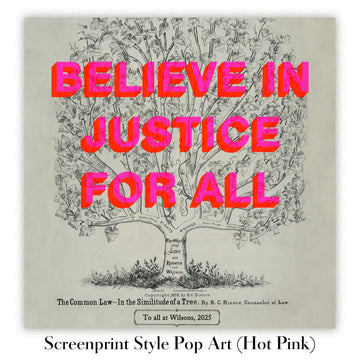
Where personalisation is available, you can add a short title or dedication, or one considered visual detail. See examples of personalised artwork.
Choose Original to retain the colour and character of the source artwork, or Aged for a warmer, more antique appearance. See examples of our Aged artwork.
Every piece is produced to archival standards using fade-resistant pigment inks on acid-free matte art paper. Choose an art print, framed art print or framed canvas using the finish options above.
Framed art prints use crystal-clear optical acrylic for excellent clarity, lower weight and safer delivery than glass. Each piece arrives professionally framed and ready to hang.
Selected artworks can be produced at statement sizes up to 3 metres (10ft). Custom sizing and specialist framing are also available. If the exact option you need is not listed, contact our workshop.
This artwork is also available as a float framed canvas, sometimes known as a shadow gap framed canvas or canvas floater. The work is printed on artist's cotton canvas and then stretched over a handmade box frame. We then "float" the canvas inside a wooden frame, which is available in a range of colours (black, dark brown, oak, antique gold and white). This is a wonderful way to present an art print without glazing in front. See some examples of float framed canvas art and explore the differences between my different finishes.
Many of our maps and art prints are chosen as thoughtful gifts for homes, offices, studies and meaningful places.
Choose a framed option for the easiest ready-to-hang gift, or choose an unframed print if the recipient may prefer to select their own frame.
We make orders locally in 24 countries around the world, so gifts can often be produced close to the recipient. This helps them arrive faster, travel more safely, and avoid customs or import duty surprises.
- We can deliver directly to the recipient
- Framed pieces arrive ready to hang
- Unframed prints are carefully packed in a strong protective tube
- Almost every order is made locally, for faster, safer gifting
- 90-day returns give the recipient time to decide
If you are not sure what to choose, please contact us. We can help you pick the right map, size, finish or delivery option.
Most orders are made locally and delivered in around 2–3 working days, depending on the product, size and destination.
We print and frame maps and artwork in 24 countries around the world, so your order is usually made close to you or your recipient. That means faster delivery, less time in transit, and no customs or import duty surprises.
Personalised and customised pieces usually take an extra 1–2 working days, because we prepare your design and send it to you for approval before printing.
Very large framed orders can take a little longer, as they need extra care in production and delivery.
Every order is carefully packaged: unframed prints are sent in a strong protective tube, while framed pieces are securely packed with protective materials around the frame.
If you need your order by a particular date, please contact us before ordering. We’ll check the best production route and delivery option for your location.
Express delivery is available at checkout for most countries. Next-day delivery is available in the UK, US, Singapore and the UAE.
Your order is covered by our 90-day returns policy and 10-year guarantee.
Our standard frame is a gallery-style black ash hardwood frame, with a simple, modern look. It is approximately 20mm (0.8in) wide. You can also view some lovely customer photos of framed maps and art.
We use super-clear acrylic glazing, also known as Perspex or Acrylite, instead of traditional glass. It is lighter, safer, and has lower reflectivity, giving the artwork a clearer, cleaner appearance.
Six standard frame colours are available at no extra cost: black, dark brown, dark grey, oak, white, and antique gold. Custom framing and mounting/matting is also available for customers looking for something more specific.
Most maps, art prints, and illustrations are also available as a framed canvas. We use matte cotton canvas, stretch it over a sustainably sourced wooden box frame, and then float the piece within a wooden outer frame. The finished result is beautifully presented, with no glazing between you and the artwork.
All frames are supplied ready to hang, with either string or brackets fitted to the back. Very large frames will include heavy-duty hanging plates and/or a mounting baton. If you have any questions, please get in touch.
We can also supply old maps and artwork on canvas, foam board, cotton rag, and other materials.
If you would prefer to frame your map or artwork yourself, please read our size guide before ordering.
We work with interior designers, hospitality businesses, property professionals, offices and corporate buyers on individual pieces and larger coordinated projects.
This artwork can be adapted for a particular wall, room or project, and our workshop can help coordinate the dimensions, material and framing before production.
- Exact, oversized and made-to-measure dimensions
- Custom framing, mounting and alternative materials
- Coordinated pieces for several rooms or locations
- Art personalisation, to adjust the colour and style of the piece
- Art and framing guidance from our workshop
- Local production for projects around the world
Every restored art print begins with the original artist’s work—never an AI-generated replacement.
Our London studio works from carefully selected source material from museums, libraries, archives and private collections. We restore age-related damage, faded colour and imperfect reproduction while preserving the artist’s composition, brushwork, line, texture and period character.
We do not use generative AI to redraw, reinterpret or invent the artwork. Digital restoration is used only to recover and reproduce the original work as faithfully as possible.
Once restored, the master artwork is prepared for your chosen size and finish. Your piece is then printed and, where selected, framed close to its delivery destination.
Our giclée art prints use acid-free 200gsm archival matte paper and fade-resistant pigment inks for a rich, museum-quality finish. Framed art prints use crystal-clear optical acrylic and arrive ready to hang.
Framed canvas and specialist cotton-rag editions are also available. Learn more about our materials and finishes.
We’ve been restoring and producing maps and art prints since 1984, and we stand behind every piece.
Every order is covered by our 10-year guarantee and damage-free delivery guarantee. If your piece arrives damaged, we’ll replace or remake it free of charge. If anything else isn’t right, contact our workshop team and we’ll put it right promptly.
See our returns and refund policy for full details.


