











Tadpole Galaxy (Arp 188 / UGC 10214): Hubble Space Telescope Image
Authentic artwork
The artwork we print is faithfully restored from the original source - usually a museum, auction house or private collection.
We never replace, redraw or invent the artist’s work using generative AI.
Restored from the original artwork and printed to museum-grade archival standards. Full description
The Collector’s Offer
Choose two eligible works and receive 20% off both. Choose three and the lowest-priced one is complimentary, a maximum saving of 33%.
Mix and match eligible standard maps and fine-art prints. No code is required; the offer is applied automatically at checkout.
Standard made-to-order configurations are included. Bespoke sizes, personalised designs and commissioned work are excluded.
Need delivery to different addresses? Contact us before ordering.The Collector’s Offer
Choose two eligible works and receive 20% off both. Choose three and the lowest-priced one is complimentary, a maximum saving of 33%.
Mix and match eligible standard maps and fine-art prints. No code is required; the offer is applied automatically at checkout.
Standard made-to-order configurations are included. Bespoke sizes, personalised designs and commissioned work are excluded.
Need delivery to different addresses? Contact us before ordering.
Authentic artwork
The artwork we print is faithfully restored from the original source - usually a museum, auction house or private collection.
We never replace, redraw or invent the artist’s work using generative AI.
Restored from the original artwork and printed to museum-grade archival standards. Full description
Choose your size
Choose your finish


(More info)
Gift message & custom finish

If you want to add a gift message, or a finish (jigsaw, aluminium board, etc.) that is not available here, please request it in the "order note" when you check out.
Every order is custom made, so if you need the size adjusted slightly, or printed on an unusual material, just let us know. We've done thousands of custom orders over the years, so there's (almost) nothing we can't manage.
You can also contact us before you order, if you prefer!
Chosen by collectors, designers and gift buyers
8,000+ five-star reviews


Arp 188 — better known as the Tadpole Galaxy or UGC 10214 — occupies the upper-right of this Hubble view, its bright,...
Continue readingArp 188 — better known as the Tadpole Galaxy or UGC 10214 — occupies the upper-right of this Hubble view, its bright, creamy centre trailing an extraordinary streamer of stars towards the lower-left. Around it, darkness is crowded with points, smudges and slender streaks of light: a background population of about 3,000 faint galaxies, each distinct enough to give the field a remarkable sense of depth.
The Tadpole lies in the constellation Draco, some 400 million light-years from Earth. Its unusual form is the aftermath of a gravitational encounter with a smaller, compact blue galaxy, visible through the larger galaxy’s disc. Powerful tidal forces drew out the narrow tail of stars and gas, which extends for more than 280,000 light-years. What appears at first to be a delicate filament is therefore a structure of almost inconceivable scale.
Young blue stars and star clusters populate both the spiral arms and the tidal tail. According to the release, each cluster represents the formation of as many as a million stars; their blue colour comes from exceptionally massive, hot and luminous members. The interaction has not merely distorted the galaxy’s shape. It has also generated a torrent of new star formation along the disturbance.
A closer look
The galaxy’s inner region is compact and intensely luminous, surrounded by textured arms that seem to loosen as they pass into the tail. Cool turquoise and blue structures gather around warmer white and orange highlights, while fine dark lanes and irregular folds interrupt the glow. At the outer fringes, the material becomes more diffuse, giving the Tadpole a striking transition from dense, turbulent centre to attenuated stellar stream.
Along that stream, small blue knots punctuate the fainter material. Two particularly prominent clumps are separated by a gap; astronomers consider them likely to develop into dwarf galaxies orbiting within the Tadpole’s halo. Elsewhere, newly formed clusters lie along the spiral arms, their concentrated light tracing the regions most affected by the encounter. The compact intruder itself can be found at the upper-left edge of the larger galaxy, seen against or through its disc as it apparently leaves the interaction behind.
The wider field changes the character of the composition. Hundreds of tiny forms are immediately apparent, and still more emerge on close examination: reddish flecks, pale ovals, sharp points and elongated galaxies dispersed across the dark blue ground. The official account places their total at about 3,000 — twice the number seen in the 1995 Hubble Deep Field. Their varied shapes form a deep visual backdrop to the Tadpole’s much nearer gravitational upheaval.
How this image was made
Hubble’s Advanced Camera for Surveys recorded the field on 1 and 9 April 2002, shortly after the instrument was installed aboard the telescope during Servicing Mission 3B. The camera combined a broad field of view with the sharpness required to distinguish the many faint and compact galaxies behind Arp 188.
The finished colour image was constructed from three separate observations made through blue, orange and near-infrared filters. It is therefore a composite rather than a single exposure. The different filtered views preserve distinctions among the Tadpole’s bright young clusters, its warmer central regions and the varied galaxy population spread across the background. The ACS obtained this field in one-twelfth of the observing time used for the Hubble Deep Field, while detecting even fainter objects in blue light.
Image details and provenance
- Subject: Arp 188, the Tadpole Galaxy, UGC 10214
- Object type: Spiral and barred galaxy
- Constellation: Draco
- Distance from Earth: 400 million light-years
- Physical scale: The tidal tail extends for more than 280,000 light-years
- Telescope: Hubble Space Telescope
- Instrument: Advanced Camera for Surveys (ACS)
- Observation dates: 1 and 9 April 2002
- Wavelengths and filters: Near-infrared, orange and blue filters
- Image construction: Colour composite constructed from three separate filtered images
- Original release date: 30 April 2002, 15:00
- Image credit: NASA , Holland Ford (JHU), the ACS Science Team and ESA
Choosing the right size and finish
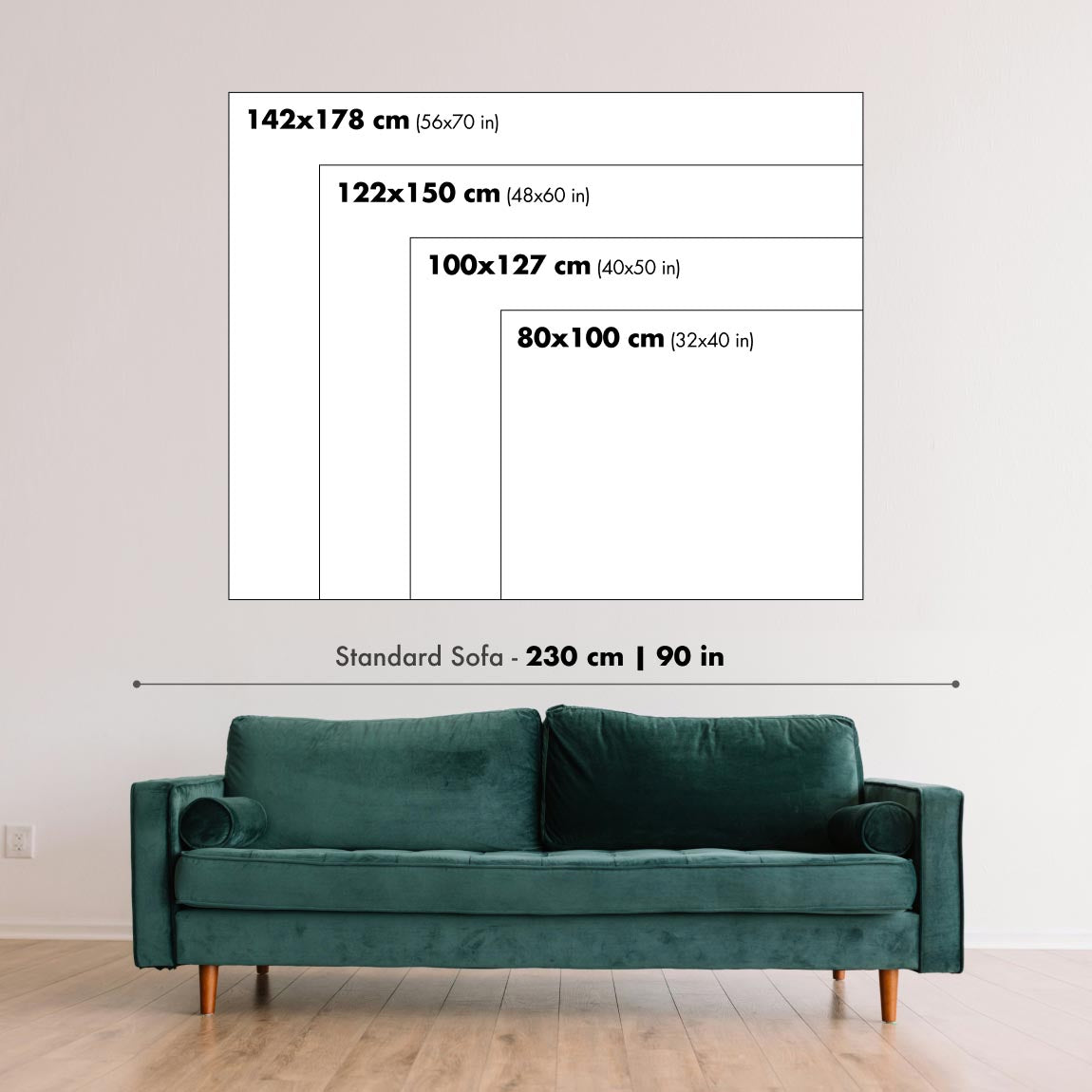
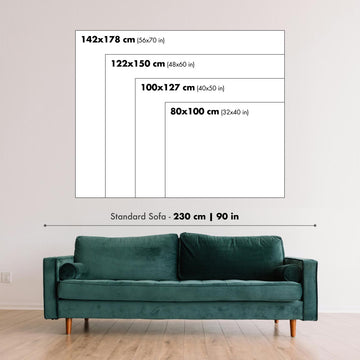
Fine art can feel intimate at smaller sizes and more architectural at larger ones. Use the room preview, model image and size guide to judge the scale of the piece in your space.
For exact dimensions, specialist framing or a larger project, ask our workshop for advice.
The model in the listing images is holding the 16x20in (40x50cm) version of this art print.
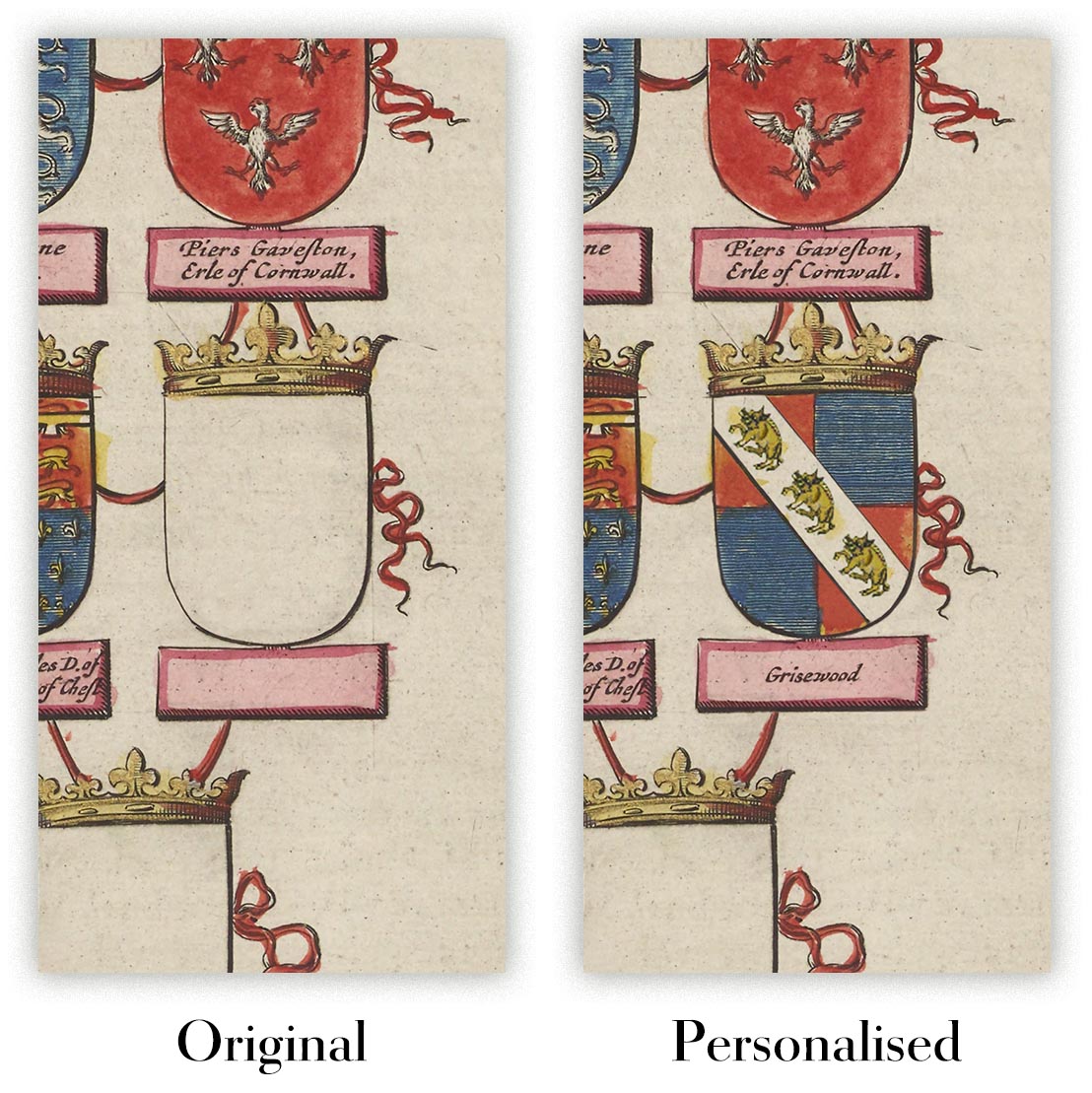
Where personalisation is available, you can add a short title or dedication, or one considered visual detail. See examples of personalised artwork.
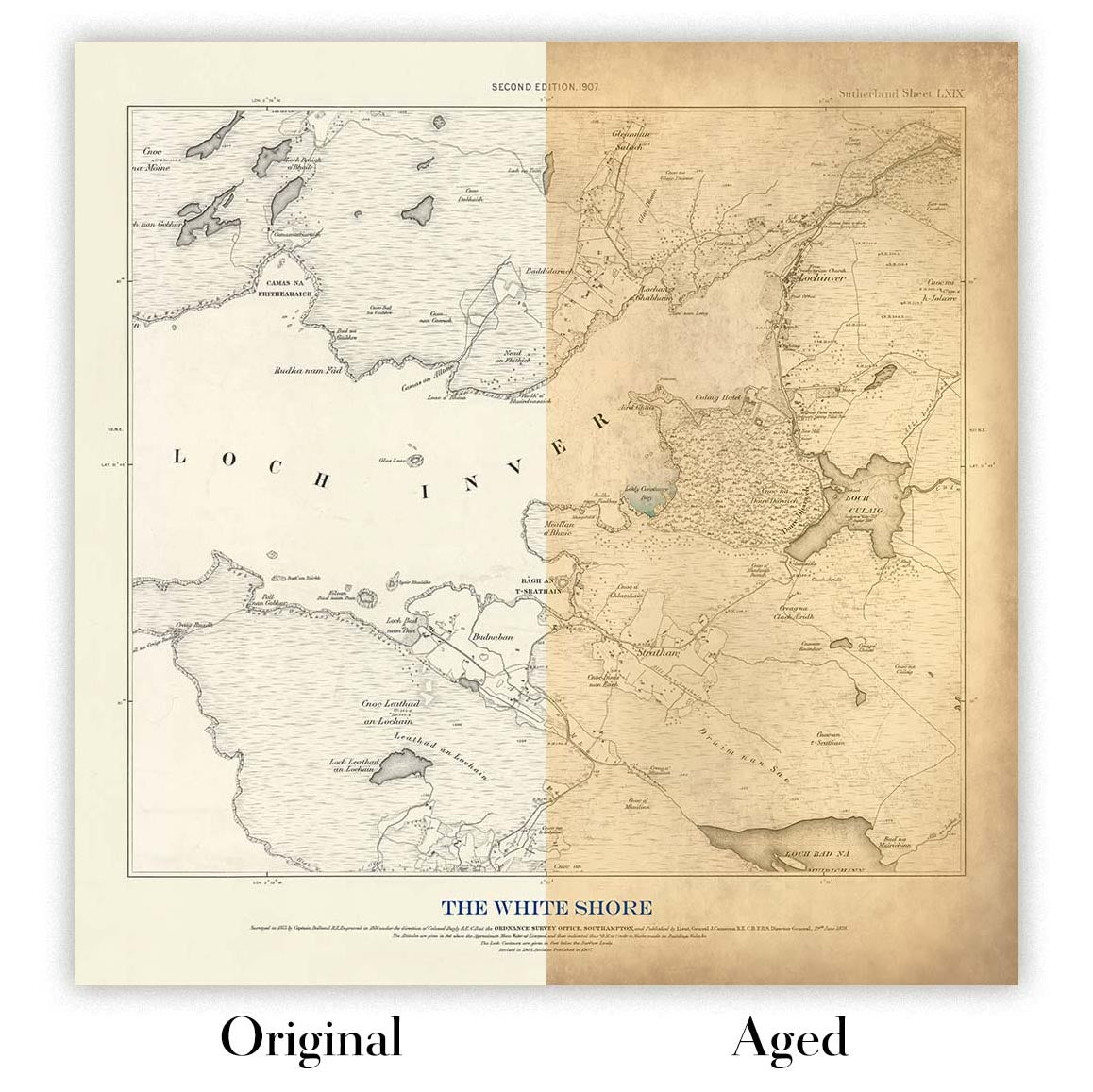
Choose Original for colour that remains faithful to the source artwork, or Aged for a warmer antique character. See examples of our Aged artwork.
Every piece is printed to museum-grade archival standards using fade-resistant pigment inks on acid-free matte paper. Choose an art print, framed art print or canvas using the finish options above.
Framed art prints use crystal-clear optical acrylic for excellent clarity, reduced reflections and safer delivery. They arrive professionally framed and ready to hang.
Selected artworks can be produced at statement sizes up to 3 metres (10ft). Custom sizing and specialist framing are also available; contact our workshop if the exact option you need is not listed.
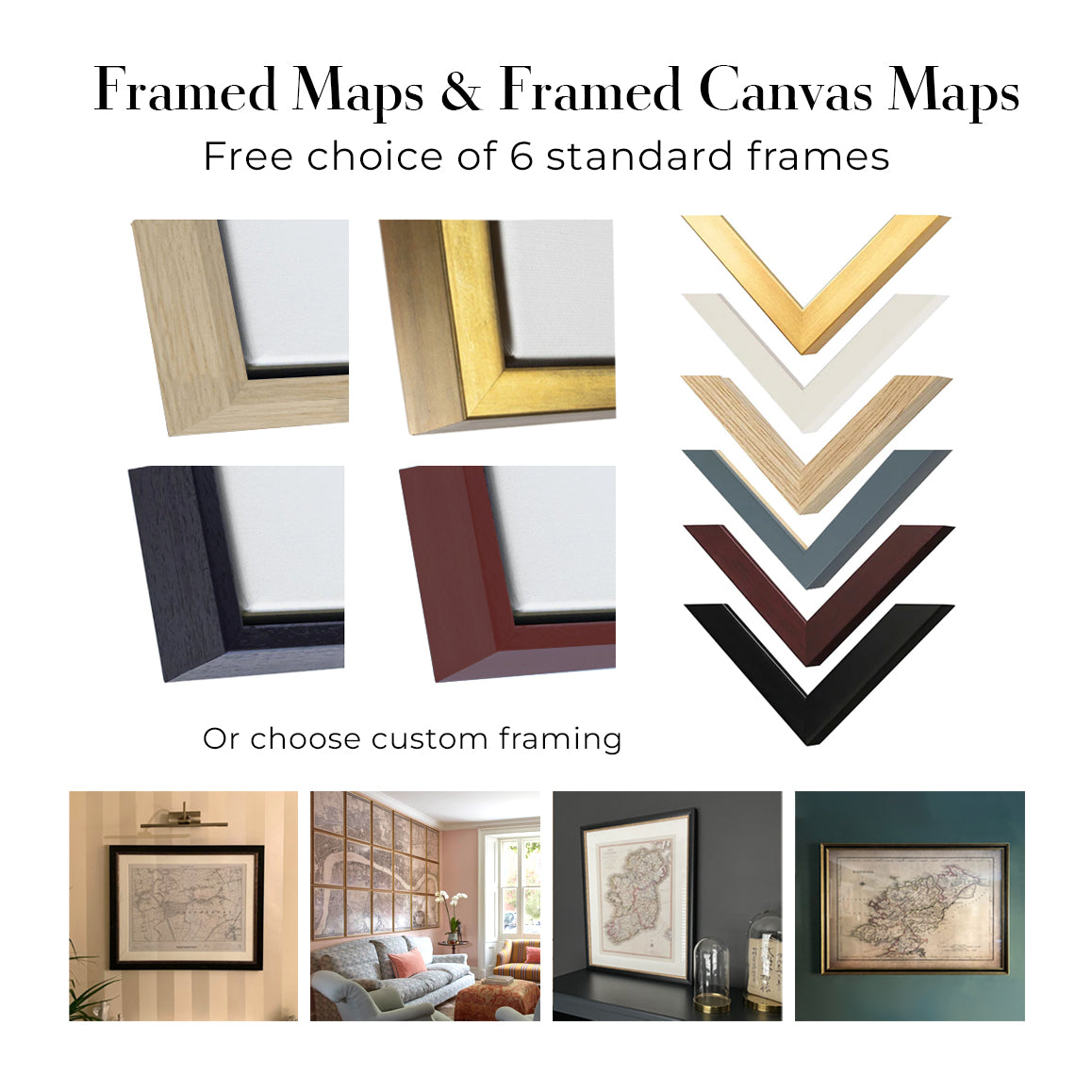
This artwork is also available as a float framed canvas, sometimes known as a shadow gap framed canvas or canvas floater. The work is printed on artist's cotton canvas and then stretched over a handmade box frame. We then "float" the canvas inside a wooden frame, which is available in a range of colours (black, dark brown, oak, antique gold and white). This is a wonderful way to present an art print without glazing in front. See some examples of float framed canvas art and explore the differences between my different finishes.
Arp 188 — better known as the Tadpole Galaxy or UGC 10214 — occupies the upper-right of this Hubble view, its bright, creamy centre trailing an extraordinary streamer of stars towards the lower-left. Around it, darkness is crowded with points, smudges and slender streaks of light: a background population of about 3,000 faint galaxies, each distinct enough to give the field a remarkable sense of depth.
The Tadpole lies in the constellation Draco, some 400 million light-years from Earth. Its unusual form is the aftermath of a gravitational encounter with a smaller, compact blue galaxy, visible through the larger galaxy’s disc. Powerful tidal forces drew out the narrow tail of stars and gas, which extends for more than 280,000 light-years. What appears at first to be a delicate filament is therefore a structure of almost inconceivable scale.
Young blue stars and star clusters populate both the spiral arms and the tidal tail. According to the release, each cluster represents the formation of as many as a million stars; their blue colour comes from exceptionally massive, hot and luminous members. The interaction has not merely distorted the galaxy’s shape. It has also generated a torrent of new star formation along the disturbance.
A closer look
The galaxy’s inner region is compact and intensely luminous, surrounded by textured arms that seem to loosen as they pass into the tail. Cool turquoise and blue structures gather around warmer white and orange highlights, while fine dark lanes and irregular folds interrupt the glow. At the outer fringes, the material becomes more diffuse, giving the Tadpole a striking transition from dense, turbulent centre to attenuated stellar stream.
Along that stream, small blue knots punctuate the fainter material. Two particularly prominent clumps are separated by a gap; astronomers consider them likely to develop into dwarf galaxies orbiting within the Tadpole’s halo. Elsewhere, newly formed clusters lie along the spiral arms, their concentrated light tracing the regions most affected by the encounter. The compact intruder itself can be found at the upper-left edge of the larger galaxy, seen against or through its disc as it apparently leaves the interaction behind.
The wider field changes the character of the composition. Hundreds of tiny forms are immediately apparent, and still more emerge on close examination: reddish flecks, pale ovals, sharp points and elongated galaxies dispersed across the dark blue ground. The official account places their total at about 3,000 — twice the number seen in the 1995 Hubble Deep Field. Their varied shapes form a deep visual backdrop to the Tadpole’s much nearer gravitational upheaval.
How this image was made
Hubble’s Advanced Camera for Surveys recorded the field on 1 and 9 April 2002, shortly after the instrument was installed aboard the telescope during Servicing Mission 3B. The camera combined a broad field of view with the sharpness required to distinguish the many faint and compact galaxies behind Arp 188.
The finished colour image was constructed from three separate observations made through blue, orange and near-infrared filters. It is therefore a composite rather than a single exposure. The different filtered views preserve distinctions among the Tadpole’s bright young clusters, its warmer central regions and the varied galaxy population spread across the background. The ACS obtained this field in one-twelfth of the observing time used for the Hubble Deep Field, while detecting even fainter objects in blue light.
Image details and provenance
- Subject: Arp 188, the Tadpole Galaxy, UGC 10214
- Object type: Spiral and barred galaxy
- Constellation: Draco
- Distance from Earth: 400 million light-years
- Physical scale: The tidal tail extends for more than 280,000 light-years
- Telescope: Hubble Space Telescope
- Instrument: Advanced Camera for Surveys (ACS)
- Observation dates: 1 and 9 April 2002
- Wavelengths and filters: Near-infrared, orange and blue filters
- Image construction: Colour composite constructed from three separate filtered images
- Original release date: 30 April 2002, 15:00
- Image credit: NASA , Holland Ford (JHU), the ACS Science Team and ESA
Choosing the right size and finish
Fine art can feel intimate at smaller sizes and more architectural at larger ones. Use the room preview, model image and size guide to judge the scale of the piece in your space.
For exact dimensions, specialist framing or a larger project, ask our workshop for advice.
The model in the listing images is holding the 16x20in (40x50cm) version of this art print.
Where personalisation is available, you can add a short title or dedication, or one considered visual detail. See examples of personalised artwork.
Choose Original for colour that remains faithful to the source artwork, or Aged for a warmer antique character. See examples of our Aged artwork.
Every piece is printed to museum-grade archival standards using fade-resistant pigment inks on acid-free matte paper. Choose an art print, framed art print or canvas using the finish options above.
Framed art prints use crystal-clear optical acrylic for excellent clarity, reduced reflections and safer delivery. They arrive professionally framed and ready to hang.
Selected artworks can be produced at statement sizes up to 3 metres (10ft). Custom sizing and specialist framing are also available; contact our workshop if the exact option you need is not listed.
This artwork is also available as a float framed canvas, sometimes known as a shadow gap framed canvas or canvas floater. The work is printed on artist's cotton canvas and then stretched over a handmade box frame. We then "float" the canvas inside a wooden frame, which is available in a range of colours (black, dark brown, oak, antique gold and white). This is a wonderful way to present an art print without glazing in front. See some examples of float framed canvas art and explore the differences between my different finishes.
Many of our maps and art prints are chosen as thoughtful gifts for homes, offices, studies and meaningful places.
Choose a framed option for the easiest ready-to-hang gift, or choose an unframed print if the recipient may prefer to select their own frame.
We make orders locally in 23 countries around the world, so gifts can often be produced close to the recipient. This helps them arrive faster, travel more safely, and avoid customs or import duty surprises.
- We can deliver directly to the recipient
- Framed pieces arrive ready to hang
- Unframed prints are carefully packed in a strong protective tube
- Almost every order is made locally, for faster, safer gifting
- 90-day returns give the recipient time to decide
If you are not sure what to choose, please contact us. We can help you pick the right map, size, finish or delivery option.
Most orders are made locally and delivered in around 2–3 working days, depending on the product, size and destination.
We print and frame maps and artwork in 23 countries around the world, so your order is usually made close to you or your recipient. That means faster delivery, less time in transit, and no customs or import duty surprises.
Personalised and customised pieces usually take an extra 1–2 working days, because we prepare your design and send it to you for approval before printing.
Very large framed orders can take a little longer, as they need extra care in production and delivery.
Every order is carefully packaged: unframed prints are sent in a strong protective tube, while framed pieces are securely packed with protective materials around the frame.
If you need your order by a particular date, please contact us before ordering. We’ll check the best production route and delivery option for your location.
Express delivery is available at checkout for most countries. Next-day delivery is available in the UK, US, Singapore and the UAE.
Your order is covered by our 90-day returns policy and 10-year guarantee.
Our standard frame is a gallery-style black ash hardwood frame, with a simple, modern look. It is approximately 20mm (0.8in) wide. You can also view some lovely customer photos of framed maps and art.
We use super-clear acrylic glazing, also known as Perspex or Acrylite, instead of traditional glass. It is lighter, safer, and has lower reflectivity, giving the artwork a clearer, cleaner appearance.
Six standard frame colours are available at no extra cost: black, dark brown, dark grey, oak, white, and antique gold. Custom framing and mounting/matting is also available for customers looking for something more specific.
Most maps, art prints, and illustrations are also available as a framed canvas. We use matte cotton canvas, stretch it over a sustainably sourced wooden box frame, and then float the piece within a wooden outer frame. The finished result is beautifully presented, with no glazing between you and the artwork.
All frames are supplied ready to hang, with either string or brackets fitted to the back. Very large frames will include heavy-duty hanging plates and/or a mounting baton. If you have any questions, please get in touch.
We can also supply old maps and artwork on canvas, foam board, cotton rag, and other materials.
If you would prefer to frame your map or artwork yourself, please read our size guide before ordering.
We work with interior designers, hospitality businesses, property professionals, offices and corporate buyers on individual pieces and larger coordinated projects.
This artwork can be adapted for a particular wall, room or project, and our workshop can help coordinate the dimensions, material and framing before production.
- Exact, oversized and made-to-measure dimensions
- Custom framing, mounting and alternative materials
- Coordinated pieces for several rooms or locations
- Art personalisation, to adjust the colour and style of the piece
- Art and framing guidance from our workshop
- Local production for projects around the world
Every restored art print begins with the original artist’s work—never an AI-generated replacement.
Our London studio works from carefully selected source material from museums, libraries, archives and private collections. We restore age-related damage, faded colour and imperfect reproduction while preserving the artist’s composition, brushwork, line, texture and period character.
We do not use generative AI to redraw, reinterpret or invent the artwork. Digital restoration is used only to recover and reproduce the original work as faithfully as possible.
Once restored, the master artwork is prepared for your chosen size and finish. Your piece is then printed and, where selected, framed close to its delivery destination.
Our giclée art prints use acid-free 200gsm archival matte paper and fade-resistant pigment inks for a rich, museum-quality finish. Framed art prints use crystal-clear optical acrylic and arrive ready to hang.
Framed canvas and specialist cotton-rag editions are also available. Learn more about our materials and finishes.
We’ve been restoring and producing maps and art prints since 1984, and we stand behind every piece.
Every order is covered by our 10-year guarantee and damage-free delivery guarantee. If your piece arrives damaged, we’ll replace or remake it free of charge. If anything else isn’t right, contact our workshop team and we’ll put it right promptly.
See our returns and refund policy for full details.


